

Cook the Season: Everything You Need to Know About Ramps
Ramp season is short, and if you’ve never cooked with them, there is no better time to start. Ramps – also called wild leeks – are one of the first edible plants to emerge in early spring, pushing up through the forest floor before most other green things have even thought about waking up. They taste like a cross between garlic and onion, but wilder, softer, more fleeting. That combination of flavor and scarcity is exactly what makes them special.
This is your complete guide to ramps: where to find them, how to forage sustainably, how to store them, and – most importantly – how to cook with them. I’ve been cooking with ramps for years and have a full collection of recipes to get you started.
Cook the season – spring is here.

What Are Ramps?
Ramps are part of the allium family, and can be found in deciduous forests. Ramps are foraged in the early spring and have a flavor profile of garlic and onion. Ramps can be identified by their broad, green leaves, growing low to the ground in wooded areas. Sometimes ramps are referred to as wild leeks, I grew up with them as ramps, so that is what I will call them in this post. The leaves are milder and great for sauces and pestos; the bulbs are more pungent and hold up well to heat.
When and Where to Find Ramps
If you do not want to forage your own ramps, they can be purchased at farmers markets during the early spring. Another option for buying wild ramps is Facebook marketplace. Ramps vegetables have a short harvest season window, so if you see them available whether at your local farmers market, farm stand or foraged sustainably in the forest, grab them while you can and read on for more exciting tips on how to handle, store and ultimately enjoy this seasonal culinary delight.

Sustainable Ramp Foraging…
When foraging for wild ramps seek out forested areas with water nearby. I find when looking for ramps it is best to head out in early spring as soon as the frost has lifted and the first signs of green start to pop up. Ramps grow low to the ground in bunch of 3-7 leaves. Bring a bag or container to pack your findings in when you head out hunting so that the leaves do not get damaged. This will greatly impact the longevity of the ramps once they are harvested, if you would like to store them for several days after picking. Sustainable harvesting has a lasting impact on the environment that the ramps grow in, thus impacting your future harvest for years to come! Follow these tips to collect the leaves mindfully:
- Foraging Ramps with the Environment in Mind
- Cut the ramps at the base of the stem, leaving the root in the ground
- Be mindful of your surroundings, making sure not to disturb the nature around you
- Leave some leaves, do not snip the whole patch
- Leave no trace
Interested in learning more about foraging wild food and using as ingredients in recipes? Check out my full spring foraging guide here, (recipes included!) A Spring Foraging Guide – Ramps, Morels, Fiddleheads, Violets and More.

How to Properly Store Ramps
Place wild ramp leaves in bag or container with paper towel and store in refrigerator, this will allow the ramps to keep fresh for several days until you are ready to use. leave the bag slightly open, ramps need a little air flow to stay fresh.
For longer storage, you can blanch and freeze the leaves, or make a ramp pesto or ramp sauce and freeze that instead. Both keep well for several months and bring a hit of spring flavor to any dish long after the season has passed.
How to Cook with Ramps:
Ramps are incredibly versatile. The leaves can be used raw in salads, blended into sauces and pesto’s. The bulbs are just as delicious, try them sauteed, pickled or roasted.
- Sautee leaves and add to pasta with olive oil
- Blend into a sauce or pesto
- Chop raw leaves into salad dressings for add added kick to your greens
The recipes below will give you tons of great ideas
Wild Ramp Sauce

This is the recipe to start with. Simple, bright, and entirely ramp-forward, this sauce is endlessly useful – toss it with pasta, spoon it over grilled fish, or use it as a base for pizza.

Ramp sauce makes the base for this earthy, satisfying pizza topped with wild mushrooms. It’s a combination that feels like spring on a plate – woodsy, garlicky, deeply savory. A great weeknight dinner during ramp season.
Ramp Pesto, a Green Flavor Filled Journey…

This pesto doubles down on green with pistachios adding both color and crunch. A touch of anchovy brings umami depth that makes it more complex than a standard pesto. Excellent on pasta, slathered on grilled bread, or spread on a sandwich for a serious flavor upgrade.

Roasted Ramp Flaky Sea Salt
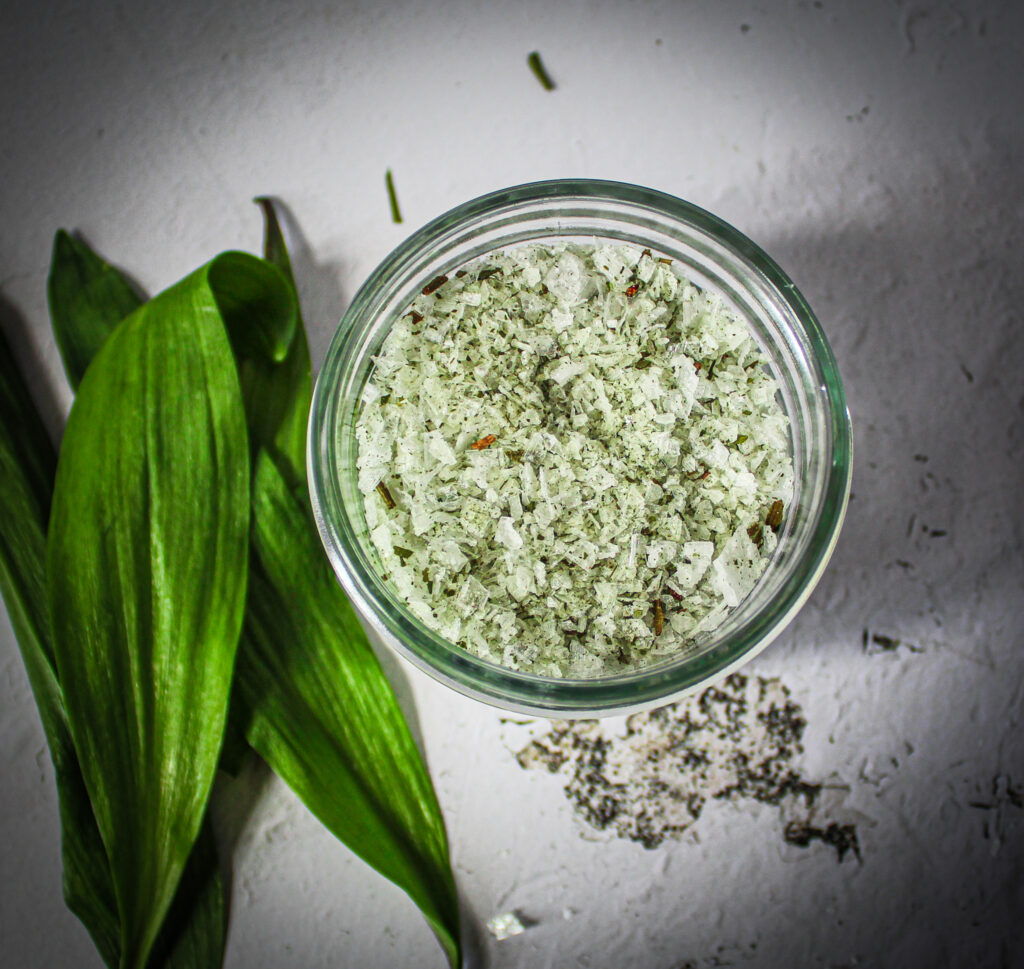
The perfect finishing salt for all of your culinary needs, this recipe for roasted ramp flaky sea salt is shelf stable, allowing ypu to use the flavor of ramps in dishes long after ramp season ends.
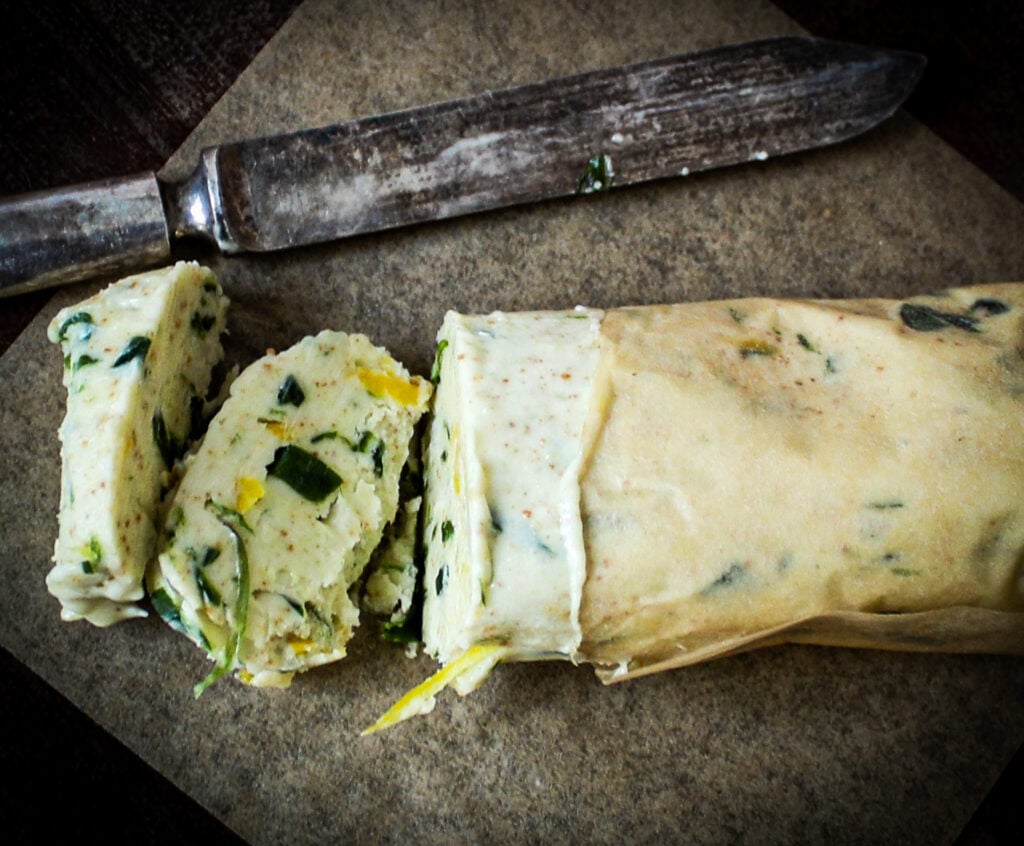
Browned Butter Ramp Compound Butter with Lemon Zest – Create your own compound butter filled with ramp ribbons and lemon zest, layered into a browned butter base.
Wild Ramp Ricotta Calzone
Oozy ricotta, ramp pesto, kale, and zucchini folded into a hand-baked calzone. This is the kind of recipe that makes ramp season feel like an occasion. Great for a weekend cook when you have a little extra time.

What do ramps taste like?
Ramps taste like a wilder, more aromatic version of garlic and onion combined. The flavor is assertive but not sharp – there’s a sweetness underneath, especially in the bulbs.
Are ramps the same as wild leeks?
Yes. Ramps and wild leeks refer to the same plant (Allium tricoccum). The name varies by region – ramps is more common in the Appalachian South and Midwest, wild leeks in Canada and the Northeast.
Can I substitute ramps for other alliums
Yes — ramps can generally substitute for scallions, green garlic, or leeks depending on the recipe. Keep in mind they’re more pungent than scallions and more delicate than leeks, so adjust quantities accordingly.
Can I eat ramp bulbs and leaves?
Both are edible. The leaves are milder and best used raw or lightly cooked. The bulbs are more intense and hold up well to heat – roast, grill, or sauté them.
How do I know if I’ve found ramps and not something toxic?
Ramps have a strong, unmistakable garlic-onion smell when the leaf is crushed – this is the key identifier. Plants like lily of the valley look similar but have no smell. If there’s no allium scent, do not eat it.
When ramp season winds down, fiddlehead ferns are usually right behind them. If you’re already out in the woods, keep an eye out – they’re another fleeting spring forage worth knowing. Here are three ways to cook them:
Fiddlehead Fern Stir-Fry with Garlic Ginger Shrimp – A quick weeknight dinner served over rice noodles. A great first fiddlehead recipe.
Crispy Fiddlehead Ferns Appetizer with Zesty Lemon – Oven-baked with parmesan and breadcrumbs, served with a lemon dipping sauce. Easy to feed a crowd.
One-Pan Garlic Parmesan Fiddleheads with Potatoes and Haddock – A satisfying New England-style bake with layered flavors of garlic, parmesan, and lemon.
Cook the season — spring is here.
Tried a ramp recipe? Leave a comment and let me know what you made.
I’ve never cooked with ramp before, but I love all these ideas. I am most excited to try it in soup or as a pizza topping. Such a healthy idea!
I have never heard of Ramp before but I’m excited to hear and see these variations today! I have bookmarked this post so I can learn more. Thanks for sharing!
I have yet to find ramps at the store or market, and I keep hearing such great things about them! Definitely keeping my eyes peeled. Thanks for all of the info!
Not sure where you live but I’m in Iowa. I can send you some if we can come up with a sustainable way to ship them. Reach out to me. My email is blroetman@gmail.com.
This is so cool! I’ve always been fascinated by foraging. The closest I’ve gotten is snagging wild onions from my yard. I need to be on the lookout!
I love leeks, but I’ve never tried ramps! Thanks so much for the info 🙂 can’t wait to try them
I’ve been wanting to find some ramps for a long time! Thanks for the info!
So many great ideas here! Thank for you the great information! 🙂
Great selection of ramp recipes. A shame it’s not easy to get where I live. 🙂